Impact Resistance for Safety Barriers

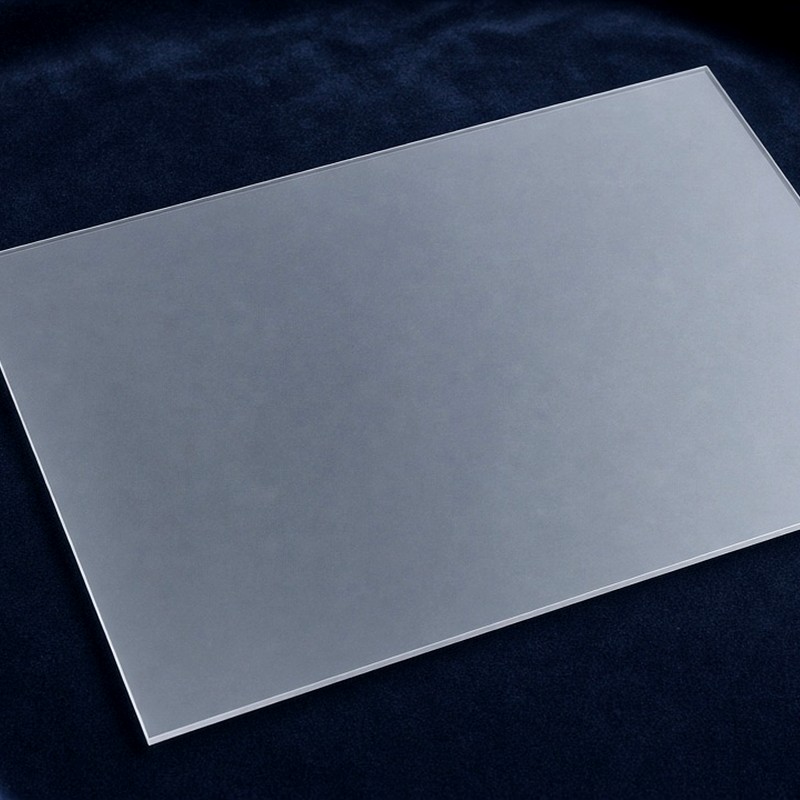
Impact Resistant Fireproof Acrylic Sheet for Safety Barriers is tougher under knocks than brittle glass, so counter screens, corridor guards and machine viewing panels stay in service after incidental contact.
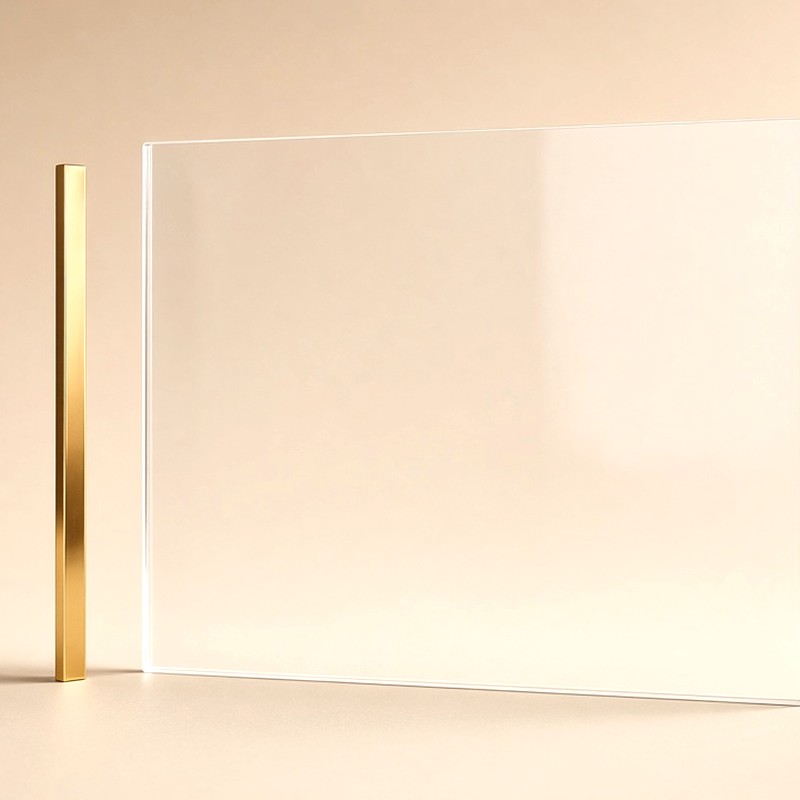
See-through clarity stays high enough for staff and customers during normal use.
Fire Performance at Barrier Lines

Toughness and fireproof acrylic performance sit on one clear barrier face, which helps busy interiors avoid glass while still answering flame-related reviews.
This is an everyday safety face—not blast or ballistic glazing. Span, thickness and framing must match site risk.
Fabrication for Screens and Guards

Panels cut, drill and edge-finish for metal or timber frames. Open screens often take polished edges; corridor runs usually prefer framed edges.
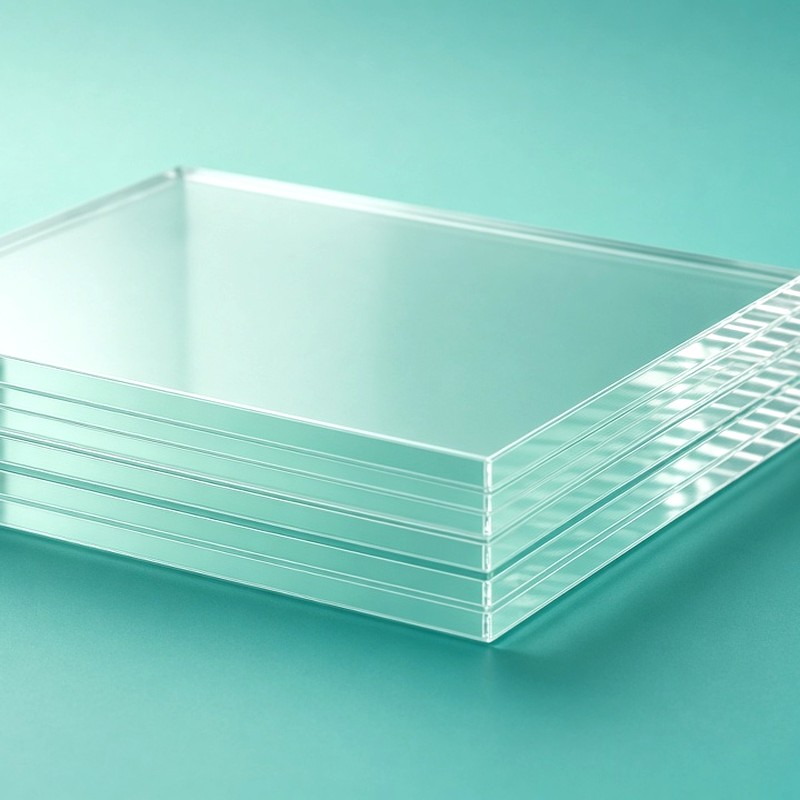
Skip oversized unsupported spans—gauge and stiffeners set how the barrier reacts to impact.
Safety Barrier Applications
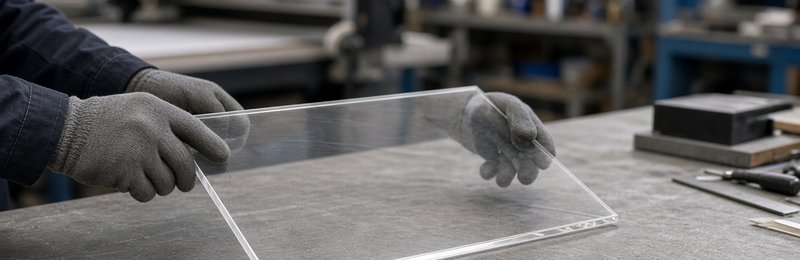
Cashier screens, queue dividers, machine guards with viewing windows, classroom and clinic partitions, and other clear safety barriers are common builds.
Hardware should allow thermal movement and avoid point loads that chip around bolt holes.
Where Barrier Projects Use It

Retail, industrial, education and healthcare sites use it when glass is unwanted and ordinary acrylic feels too soft or lacks a fireproof acrylic discussion—useful when teams weigh acrylic sheets vs plexiglass for barriers.
Opening size and expected impact drive panel dimensions and thickness.
FAQ
Q: How impact resistant is it compared with glass?
A: It is an impact-resistant acrylic barrier face less prone to shattering like annealed glass; thickness and framing still set real-world results.
Q: Is it ballistic rated?
A: No. It is for everyday safety barriers, not ballistic or blast work.
Q: Does it stay clear enough to see through?
A: Yes. Clarity stays high for supervision and customer interaction through the screen.
Q: Can it cover fire performance needs too?
A: Yes. The fireproof acrylic grade supports projects that want toughness plus improved flame behavior versus commodity sheet.
Q: How are barrier panels usually prepared?
A: Cut to opening, drill for hardware, polish or frame edges, then mount into screens or guards.
Q: Which barrier locations fit best?
A: Counter screens, corridor barriers, machine viewing panels and similar clear guards.
Q: How should barrier gauge be selected for the span?
A: Match gauge to span, fixing method and the impact level expected on site.
Q: Can holes be drilled for hardware?
A: Yes. Support the sheet, use sensible bit speeds, and avoid tight point loads.
Q: How does it compare when people ask acrylic sheets vs plexiglass?
A: Both names often mean acrylic; this grade adds impact-minded thickness options plus a fireproof acrylic angle for barrier reviews.