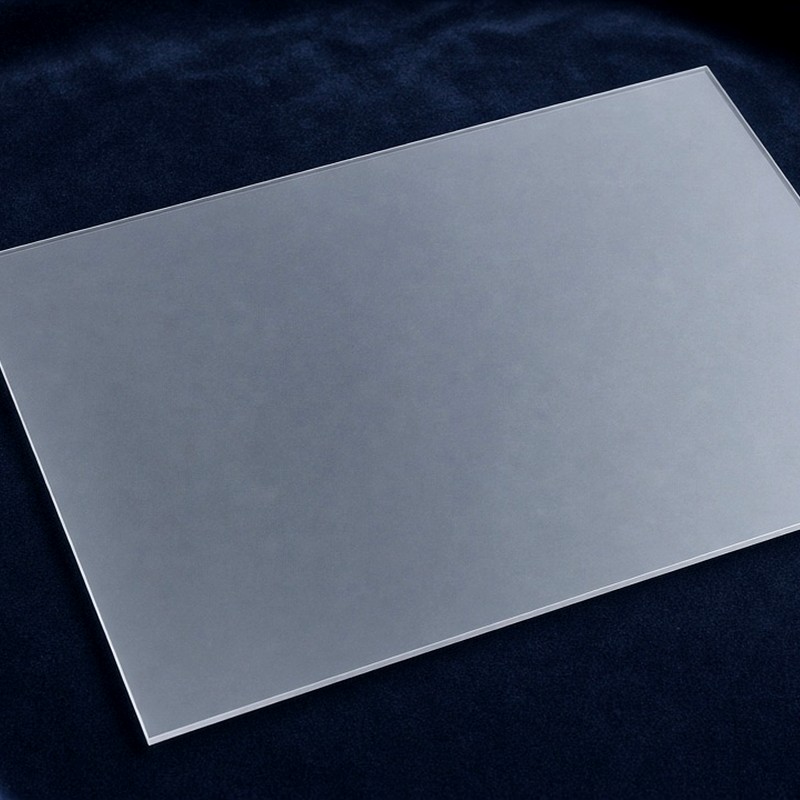
Flame Retardant Sheet for Public Spaces
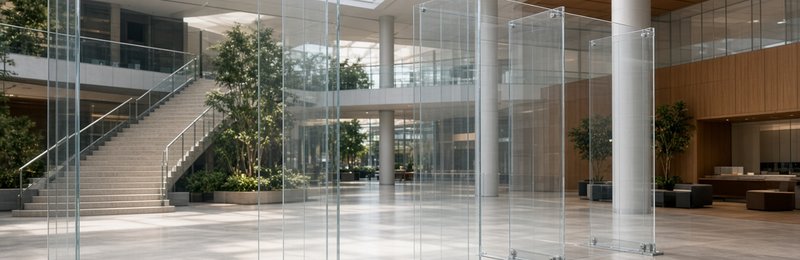
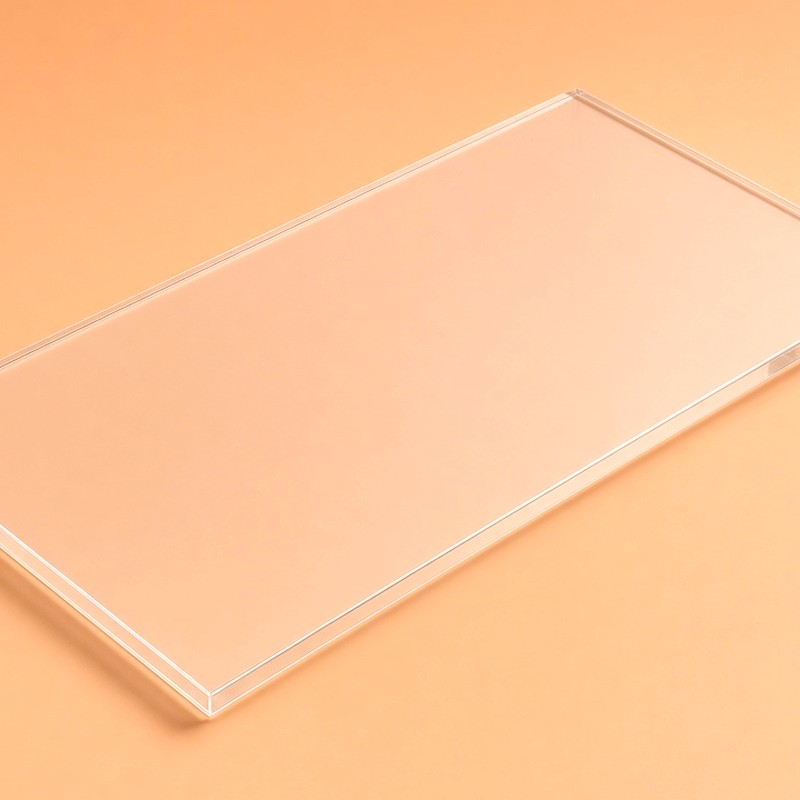
Flame Retardant Fireproof Acrylic Sheet for Public Buildings targets lobbies, corridors and atria where architects and facility teams raise flame performance early.
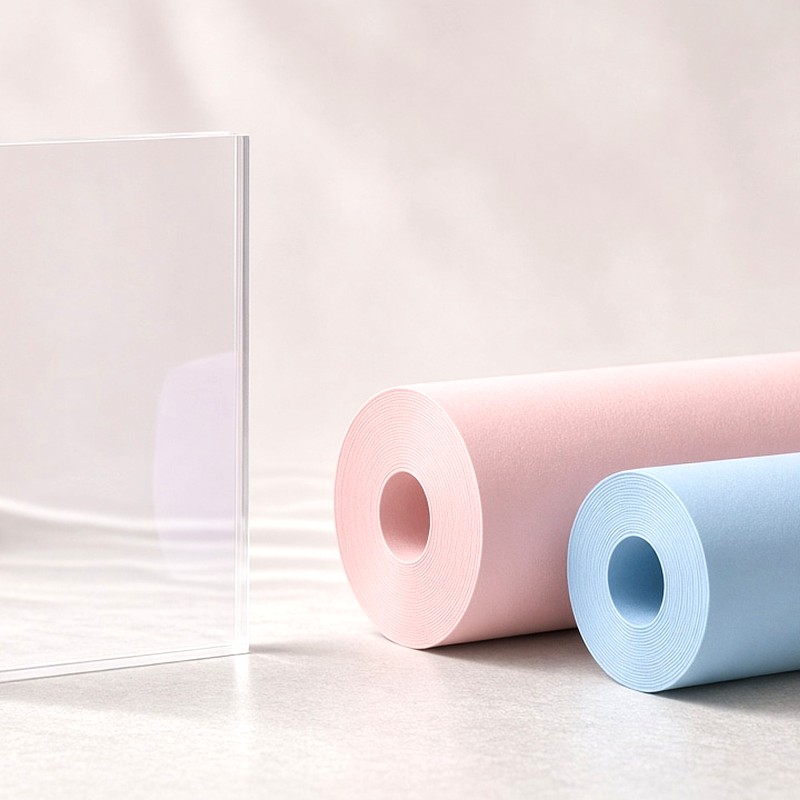
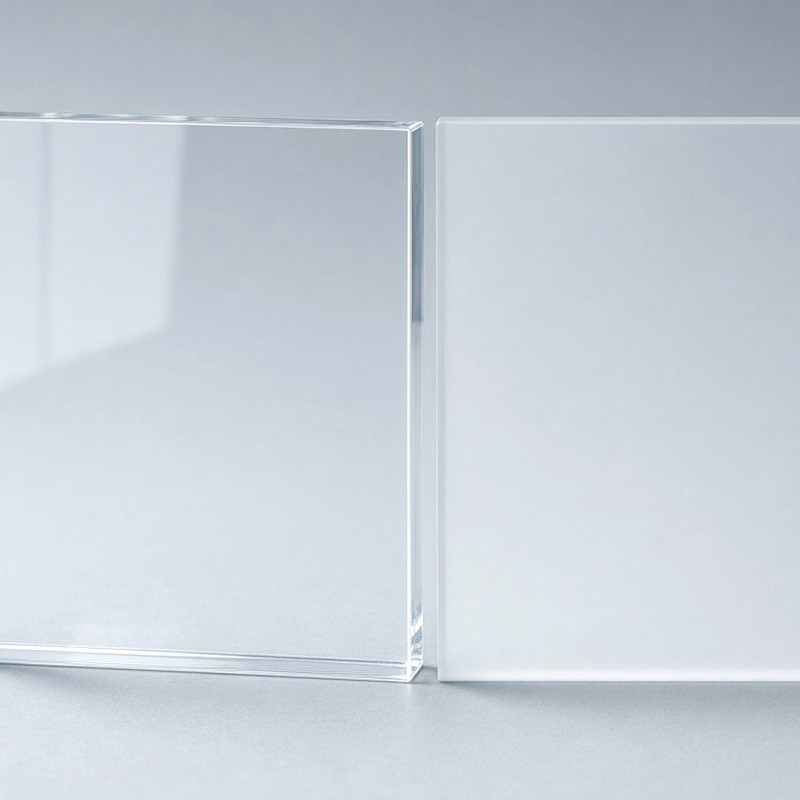
Clear or tinted faces can sit in the same finish schedule as other interior materials under review.
Clarity and Finish for Building Interiors

Architectural clarity and finish stay suitable for wayfinding, feature panels and glazed-look screens that visitors pass at close range.
It is an interior face material—not a structural fire wall or fire-rated door glazing substitute.
Fabrication for Architectural Panels

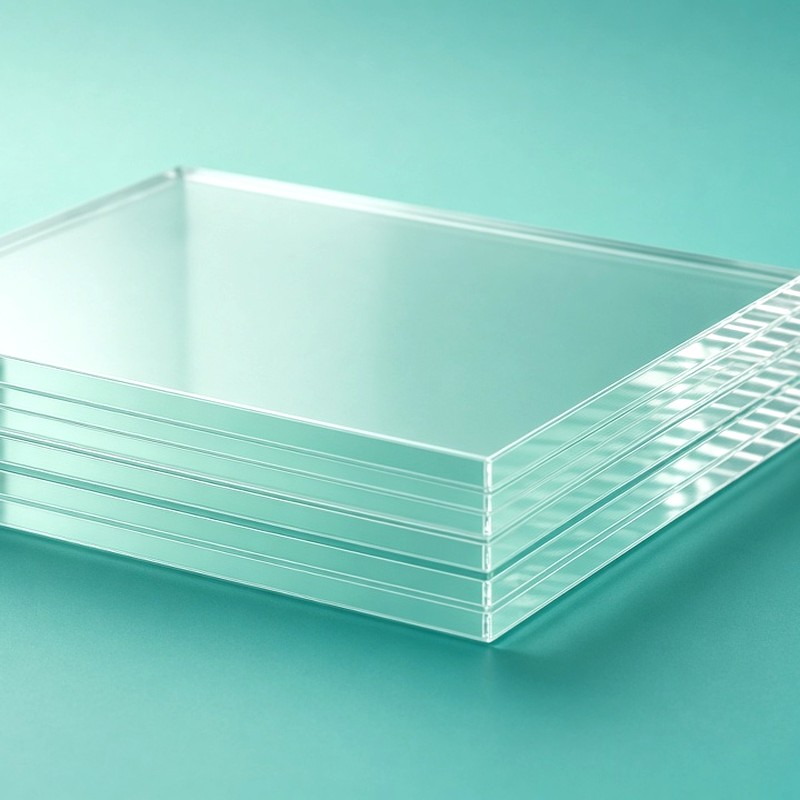
Panels cut, drill, polish and bond into frames or freestanding screens with familiar acrylic processes.
Edge quality and fixing layout should match public-building detailing so joints look intentional.
Public Building Applications

Lobby feature panels, corridor wayfinding, school and hospital directories, civic hall graphics and other public-building interior faces are typical.
Lit and non-lit panels both work when the lighting package is designed for acrylic.
Where Public Projects Use It

Schools, hospitals, civic buildings and large commercial atria use it when flame retardant acrylic is preferred over ordinary decorative sheet.
Opening sizes and framing method on the drawings drive blank size and thickness.
FAQ
Q: Who typically specifies this grade?
A: Architects, fit-out contractors and facility teams working on public-building interiors with flame-related material reviews.
Q: Is it a fire-rated wall assembly?
A: No. It is flame retardant acrylic sheet for interior faces; wall and door ratings follow separate systems.
Q: Can it look architectural up close?
A: Yes. Clarity and surface finish suit lobbies and corridors where people walk past the panels.
Q: What fabrication suits public interiors?
A: Cutting to opening, drilling for standoffs, polishing visible edges and bonding into frames or screens.
Q: Which public-building interiors specify flame-retardant faces?
A: Lobbies, corridors, schools, hospitals, civic interiors and similar public spaces.
Q: Can it be tinted or clear?
A: Yes. Clear and tinted options can be checked against the interior palette.
Q: Does it replace glass in every opening?
A: No. Use it where acrylic is appropriate; follow the project glazing and code strategy for each opening.
Q: How are panels fixed?
A: Framed edges, standoffs and bonded joints sized for the sheet thickness are common.
Q: Why mention flame retardant acrylic in the brief?
A: Public projects often search that phrase when decorative sheet is not enough for the flame review.