Black by Day, White When Backlit
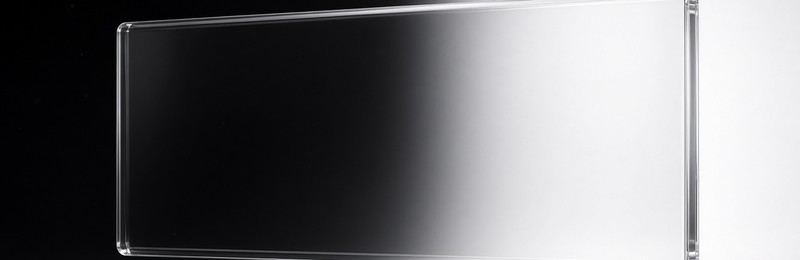
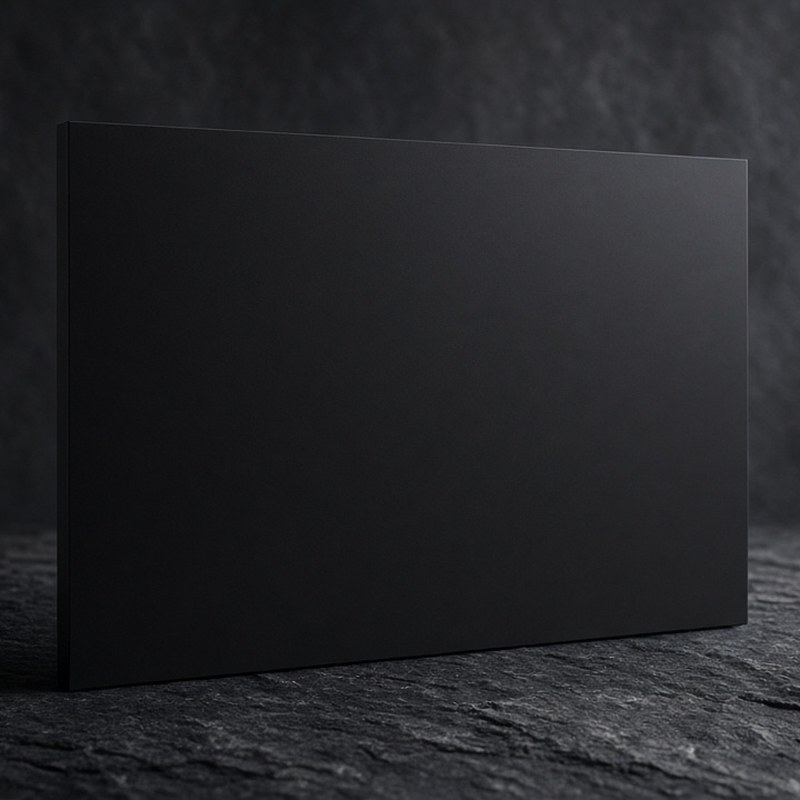
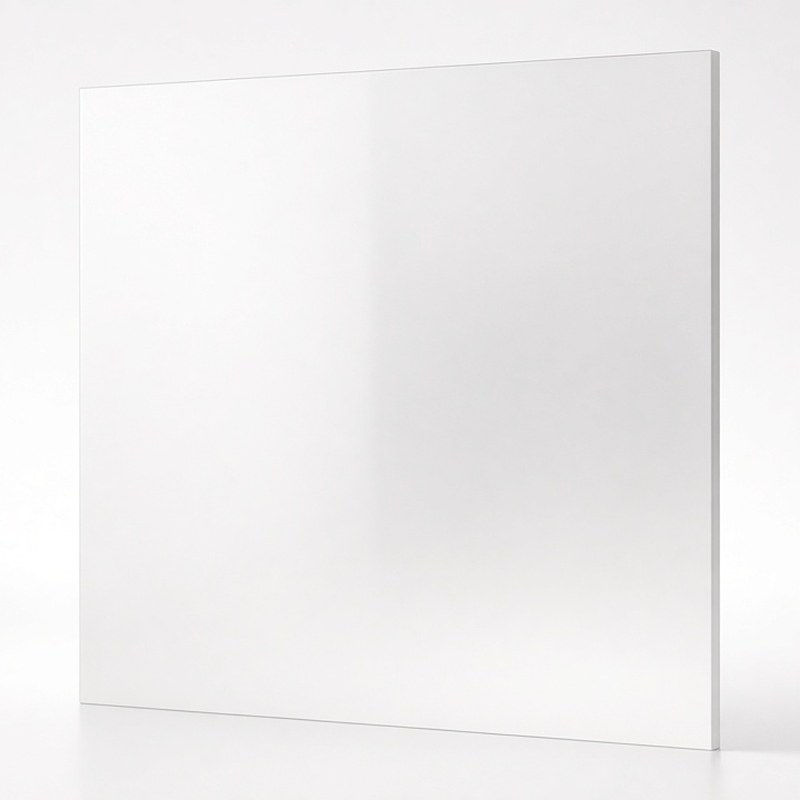
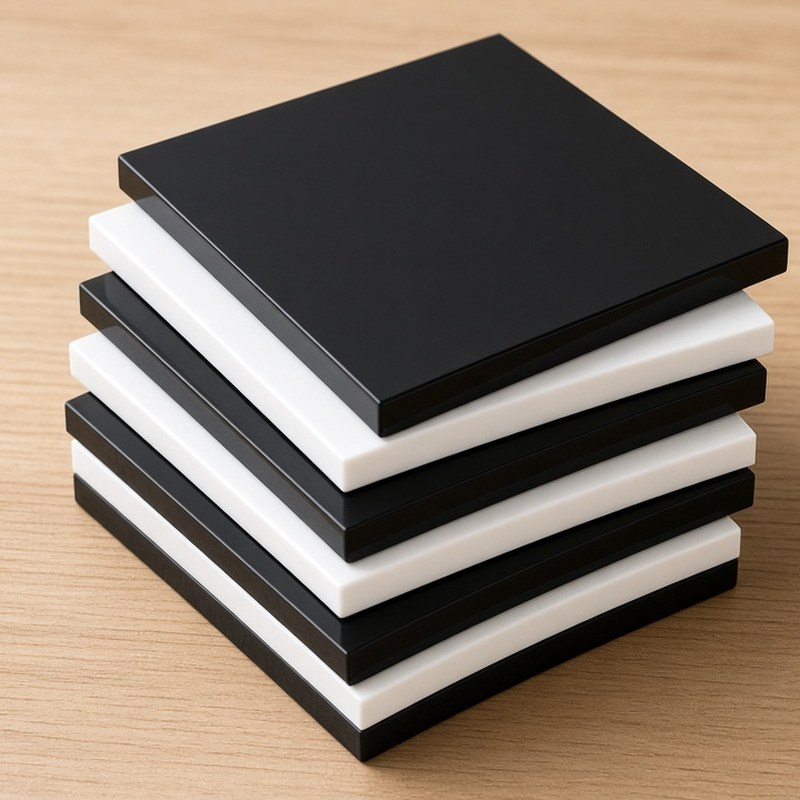
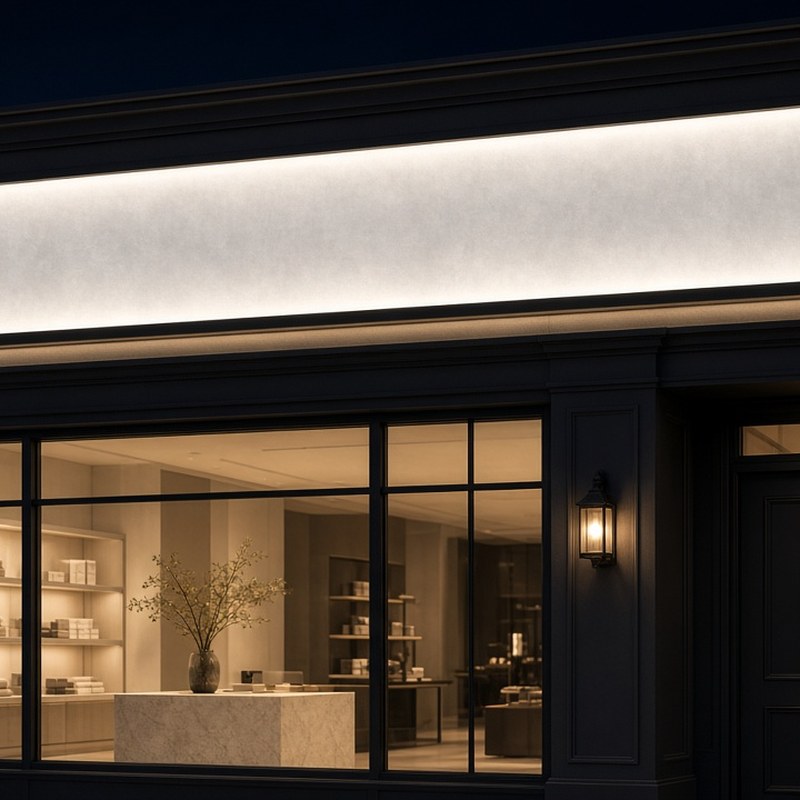
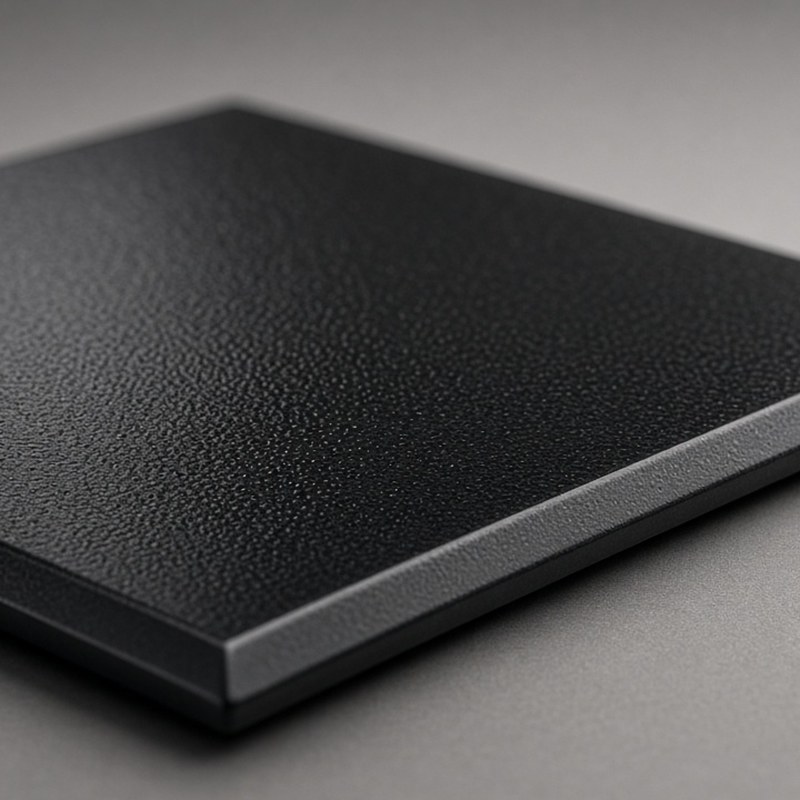
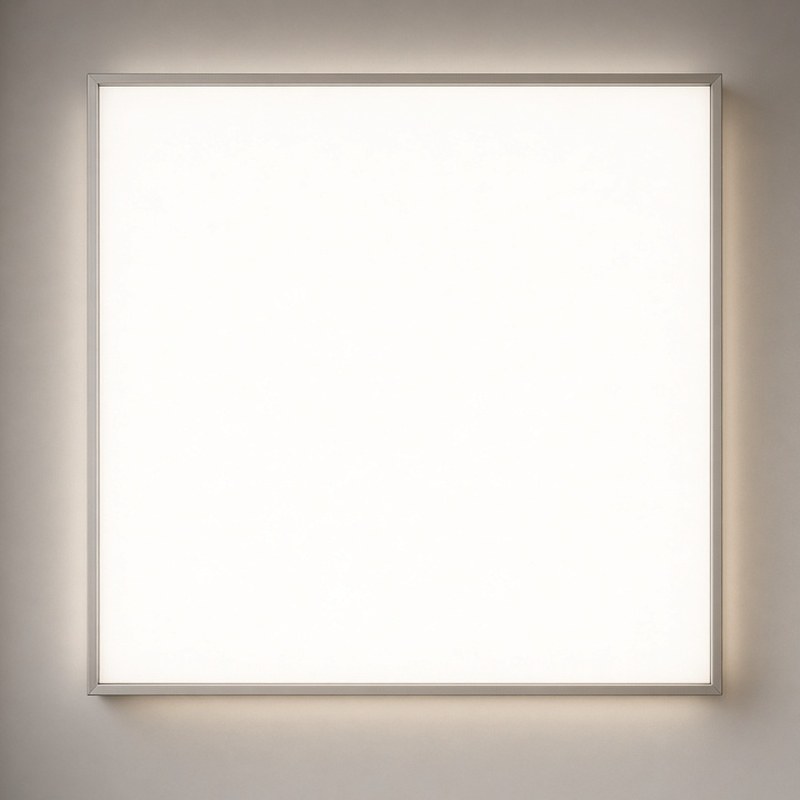
Black to White Acrylic Sheet is chosen when a sign should almost disappear into a dark face during the day and then read brightly at night. Without backlight the sheet shows a deep, solid color. When LEDs behind it are switched on, transmitted light turns that face into a bright white glow.
The contrast is the point: one material gives a quiet daytime sign and a high-impact nighttime sign without changing the face.
That is the effect designers ask for when a logo should be discreet on a light-colored wall by day and unmistakable after dark.
High Contrast Transmission
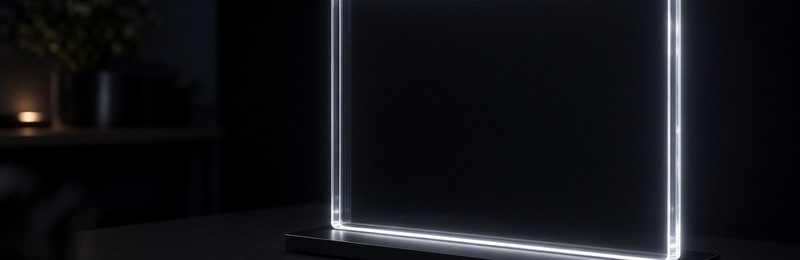
The sheet is engineered so little ambient light passes in daytime, keeping the face dark, while LED light from behind is strong enough to open the color to white. That balance is what makes black-to-white letters readable after dark without looking grey and washed out at noon.
LED brightness and the distance from the modules to the sheet decide how fully the face opens. A normal backlit letter depth is the usual starting point.
A grey or milky result usually means the LEDs are too dim or too far from the face, not that the sheet has failed to transmit.
A Clean Dark Face When Unlit
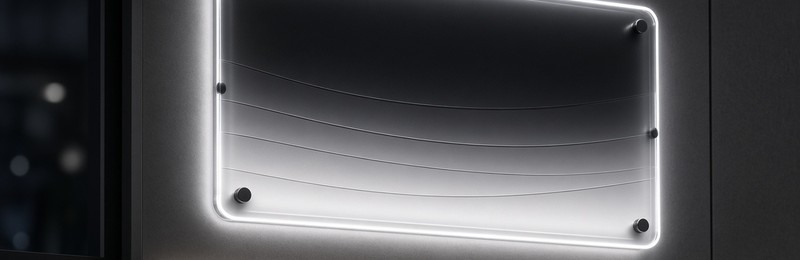
When the sign is off, the surface stays a consistent dark color across the letter or panel. That matters for storefronts and interiors where the unlit sign is on view for most of the day and should still look finished, not patchy.
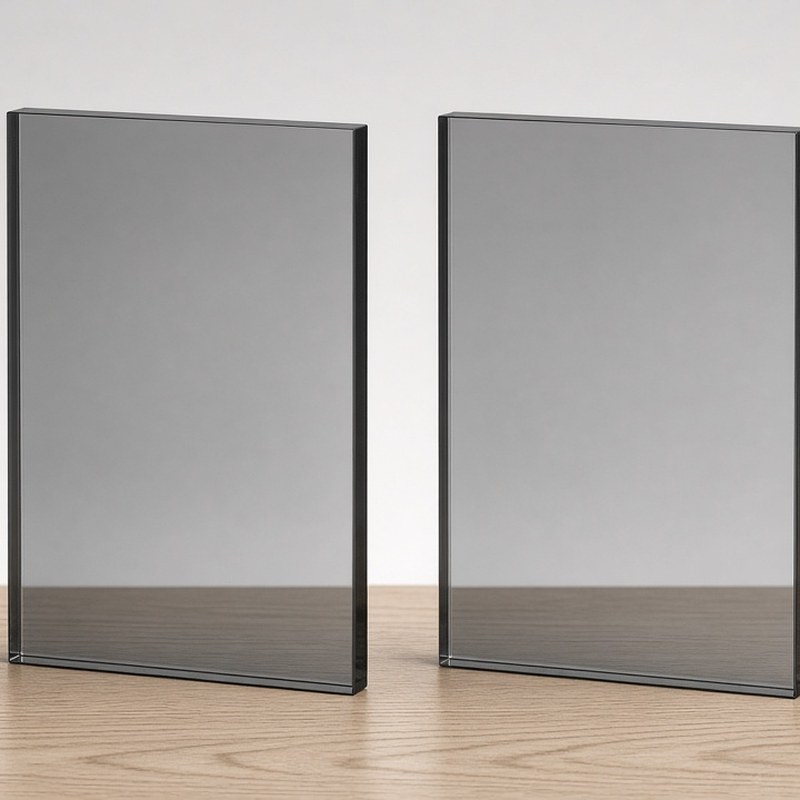
Different thicknesses can be used when a project needs a deeper daytime black or a faster opening to white.
Across a run of letters the dark face should match, so the unlit sign still looks like one set.
Fabrication for Backlit Displays
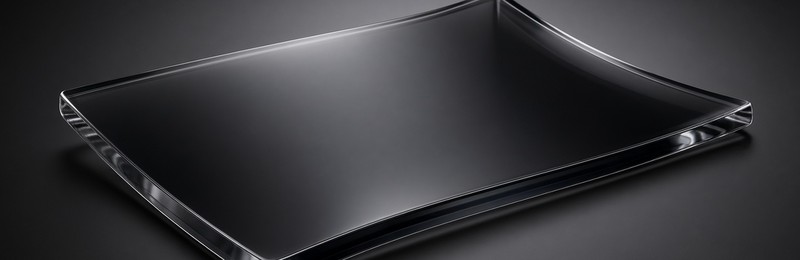
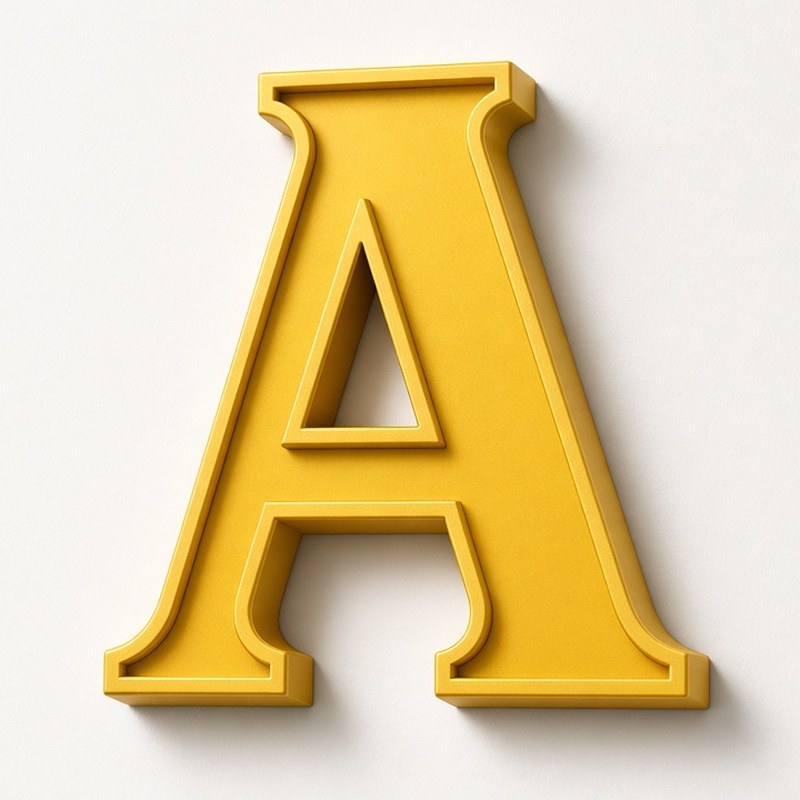
Black to White Acrylic Sheet can become letters, logos and light box faces on the tooling high-contrast shops already own. Shops commonly laser-profile or CNC-route outlines, then drill, polish and bond; edges stay sharp enough that the dark daytime face still looks crisp up close.
Shops can build both simple block letters and more detailed logos while keeping the black-to-white change.
Because the daytime color is dark, edge polish and clean cuts matter: chips and stress marks show more than they do on a white sheet.
Where Backlit Displays Use It
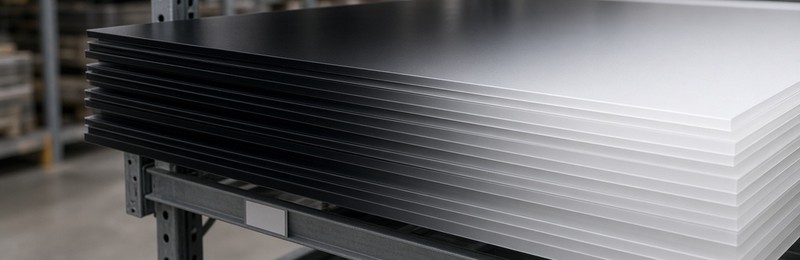
Typical projects include high-contrast channel letters, lightbox faces, reception logos, menu boards and feature walls. Retail, restaurants, hotels, offices and showrooms use it where signage should stay dark in daylight and turn bright white when backlit.
Black-to-white panel size and gauge can follow cabinet depth and LED spacing so the day-to-night effect stays even.
The grade is aimed at backlit displays rather than at signs that are only ever seen with the lights off.
FAQ
Q: How is black-to-white sheet different from black acrylic?
A: Standard black acrylic blocks light. This sheet is made to look dark when unlit and to transmit LED light as a bright white face when backlit.
Q: What does it look like with the lights off?
A: Unlit, it shows a dark, solid face suitable for daytime viewing.
Q: How does backlight open the black face to white?
A: LED light passing through the sheet opens the face into a bright white glow.
Q: Will it look pure white?
A: The lit color depends on the LED color and brightness. Neutral white LEDs are the usual way to get a clean white face. Colored LEDs will tint the glow.
Q: Will modules and strips both open the face to white?
A: Yes. Either LED modules or strip arrays can drive the white glow. Brightness, spacing and lamp-to-face distance decide how fully the dark face opens.
Q: Can high-contrast logos be cut from black-to-white sheet?
A: Yes. High-contrast blanks can be fabricated into custom letters, logos and backlit panel shapes.
Q: What shop steps suit black-to-white letter faces?
A: Laser profiling, CNC routing, drilling, polishing and bonding are the usual high-contrast letter steps.
Q: Which displays need a dark day face and white night glow?
A: Channel letters, lightboxes, reception logos and other high-contrast backlit displays.
Q: Can panel size follow the high-contrast cabinet?
A: Yes. Face size and gauge can be cut to the cabinet opening and the LED depth that opens the white glow.