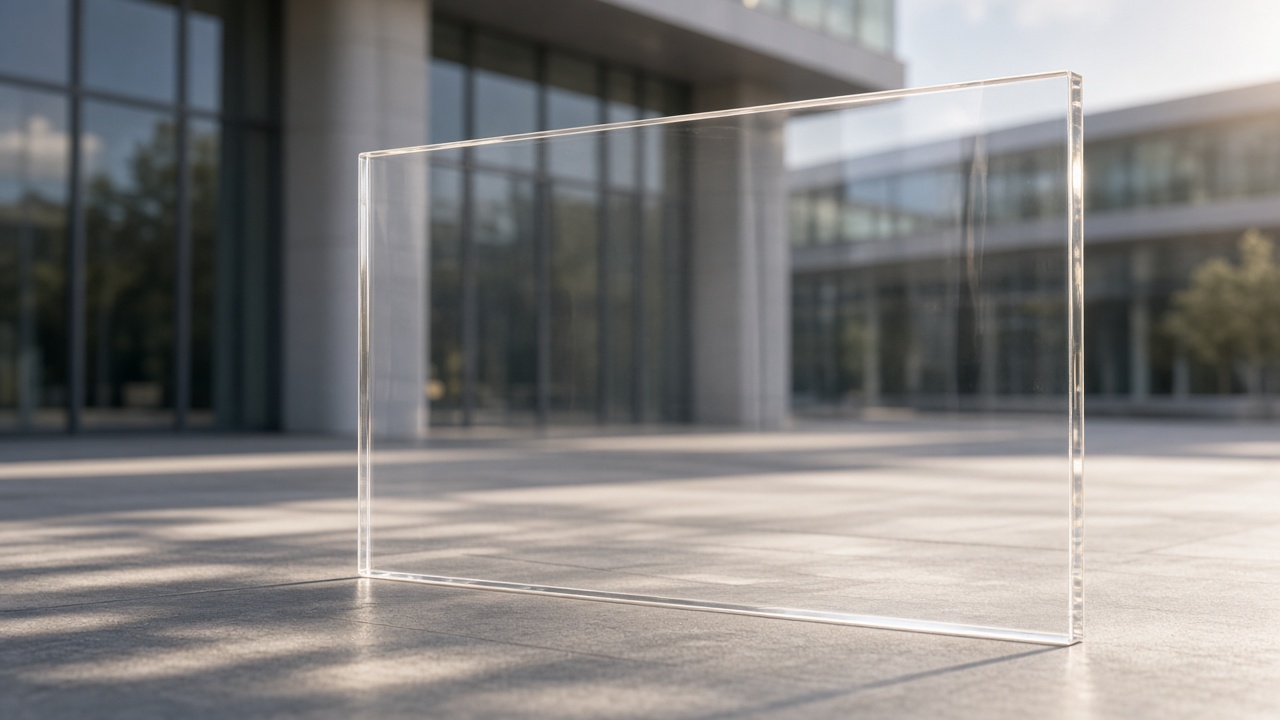
Anti-UV Cast Acrylic for Outdoor Signage: How to Choose Thickness, Clarity and Weather Performance? Anti-UV cast acrylic sheet is specified for outdoor signage, billboard faces, plaza fascias, skylight inserts and architectural panels that remain in sunlight for years rather than weeks. Standard indoor acrylic can yellow, haze or lose surface gloss under prolonged UV exposure; UV-stabilized cast PMMA is formulated to slow that aging while retaining the clarity, impact resistance and fabricability buyers expect from acrylic. Selecting the grade is not only a matter of asking for “UV protection.” Thickness, clear versus colored sheet, mounting method, edge detailing and cleaning practice all influence how the panel looks after one or more outdoor seasons. This guide covers the main checks before you order anti-UV cast acrylic sheet for outdoor signage and architectural use. 1. What Is Anti-UV Cast Acrylic Sheet? Anti-UV cast acrylic is PMMA cast with UV stabilizer systems designed to reduce ultraviolet-driven yellowing, fading and surface degradation. Typical clear grades target high light transmission (often around 92–93% for optical clear sheet) with weatherability suitable for exterior sign cabinets, canopies and decorative outdoor panels. Cast production from virgin MMA supports optical clarity and machining quality for laser cutting, CNC routing, drilling, bonding and thermoforming. That combination makes anti-UV cast sheet a practical alternative to glass for many lightweight outdoor glazing and signage faces where fabricators need shop-floor processing rather than glass-shop workflows. PropertyAnti-UV Cast AcrylicStandard Indoor Acrylic UV stabilizerBuilt-in for outdoor aging resistanceOften limited or absent Yellowing risk in sunReduced vs. untreated sheetHigher under long UV exposure Typical light transmission (clear)Approx. 92–93%High when new; may decline outdoors Primary applicationsOutdoor signs, skylights, exterior panelsIndoor displays, temporary graphics Buyer focusWeather life + clarity/color retentionInitial appearance and cost 2. Why UV Yellowing Matters for Outdoor Projects Ultraviolet radiation breaks down polymer chains and can shift clear acrylic toward a yellow cast, dull colored faces and make illuminated cabinets look dirty even when the graphics are new. For brand owners, early yellowing reads as poor quality; for fabricators, it drives warranty claims and costly face replacements. Anti-UV grades do not make acrylic immune to every outdoor stress. Heat cycling, pollution, abrasive cleaning and poorly designed mounting can still damage a panel. Specifying UV-stabilized sheet is the material half of outdoor durability; installation design and maintenance are the other half. If the outdoor project is an illuminated channel letter or lightbox face that also needs a controlled day/night look, treat optical day & night performance and UV weatherability as two specification lines—or select an outdoor-capable illuminated grade after sample approval. Category options for illuminated faces are listed under day & night acrylic sheet for LED channel letters and light boxes. 3. Selecting Thickness for Outdoor Signage and Architectural Panels Outdoor thickness selection must account for panel size, wind load, support spacing, thermal expansion and whether the sheet is a thin poster face, a rigid cabinet door or a structural decorative panel. Thicker sheet improves rigidity and impact resistance but adds weight and cost; thinner sheet is easier to light and handle but may flutter or bow in wind if unsupported. Typical ThicknessSuitable UsesKey Consideration 1.0–2.0 mmPoster overlays, light graphic faces, laminated buildsNeeds continuous support; limited spanning 2.0–3.0 mmSmall outdoor signs, shallow cabinets, letter facesBalance of weight and stiffness 3.0–5.0 mmStandard outdoor light-box doors, fascias, totemsCommon range for sign shops 5.0–8.0 mmLarger cabinets, partitions, canopy insertsBetter wind and impact performance 8.0–15 mm+Architectural panels, barriers, heavy glazing substitutesEngineering review for spans and fixings Up to ~30 mm (project)Special thick panels and custom blanksConfirm machine capacity and handling These ranges are general purchasing references. For elevated billboards, coastal wind zones or large unsupported spans, the structural design—not only the acrylic catalog—should govern thickness and fixing centers. Always leave allowance for thermal expansion in outdoor frames. 4. Clear vs. Colored Anti-UV Acrylic Clear anti-UV sheet maximizes daylight transmission for skylights, protective windows, greenhouse-style panels and transparent architectural features. Colored anti-UV sheet prioritizes brand color retention on illuminated signs, nameplates and decorative exterior cladding. Frosted or translucent anti-UV grades softens glare for lighting diffusers and privacy screens that still need outdoor aging resistance. Color retention outdoors depends on pigment system and UV package together. Deep reds, yellows and some brand oranges are more sensitive to fade than many neutrals; approve outdoor-exposed samples when the project is color-critical. For clear sheet, evaluate yellowness index expectations and whether the view-through must stay water-clear for the design life. Sheet TypeOutdoor RoleSpecification Focus Clear anti-UVSkylights, barriers, transparent fasciasTransmission, yellowness resistance, scratch care Colored anti-UVBrand letters, colored cabinets, décor panelsColor match + fade resistance Translucent / frosted anti-UVDiffusers, soft glow screens, privacyDiffusion uniformity + weather life Tinted optical panelsCanopies, solar-control decorative glazingShade value vs. clarity trade-off 5. Weather, Temperature and Environmental Exposure Outdoor acrylic faces temperature swings, rain, dust, pollution and, in some markets, freeze–thaw cycles. PMMA has a higher coefficient of thermal expansion than aluminum or steel frames; rigid edge clamping without expansion gaps is a common cause of bowing or stress cracking. Chemical exposure also matters. Aggressive solvents, strong alkaline cleaners and some sealants can haze or crazing acrylic. Specify compatible gaskets, sealants and cleaning agents in the project package—not only the sheet grade. In coastal or industrial air, plan more frequent gentle cleaning so abrasive grit does not grind the surface during wiping. Exposure FactorRisk if IgnoredBuyer / Designer Action Direct sun / UVYellowing, fade, surface agingSpecify anti-UV cast grade; sample if critical Heat / cold cyclingBowing, joint stressExpansion gaps; avoid over-clamping Wind loadFlutter, fastener pull-outCorrect thickness and support spacing Rain / moistureStaining at edges, water ingress in cabinetsDrain details; compatible seals Cleaning chemicalsHaze, crazingMild soap; ban abrasive pads and harsh solvents 6. Fabrication and Processing for Outdoor Blanks Anti-UV cast acrylic fabricates like other cast PMMA: laser cutting, CNC routing, drilling, polishing, bonding and thermoforming are routine when parameters match thickness. Leave masking film on through as much of the process as possible so outdoor faces arrive without install-stage scratches that weather will highlight. ProcessTypical Outdoor UsePractical Tip Cut to sizeCabinet doors, fascia blanksProvide finished dimensions and tolerance Laser / CNCLetters, logos, decorative screensSupport large sheets; manage heat on thick stock DrillingMechanical fixings, drainage holesOversized holes or slots for thermal movement PolishingVisible edges on thick panelsFinish edges before site exposure ThermoformingDomed faces, formed canopiesTrial formability on the specified UV grade BondingBox builds, edge jointsOutdoor-compatible adhesives; test UV-exposed bonds For architectural runs, agree on flatness, protective film brand/type and packing so panels do not develop permanent set in transit. Thick clear panels show packaging marks easily under grazing sunlight. 7. Where Anti-UV Cast Acrylic Is Used Typical outdoor and semi-outdoor applications include: Outdoor signage: Light-box doors, billboard overlays, totem faces and shopfront fascias. Illuminated exterior letters: Weather-facing brand letters requiring UV-stable faces. Architectural panels: Decorative screens, canopy inserts, balustrade infills and feature cladding. Skylights and daylight features: High-transmission clear panels with UV stabilization. Protective barriers: Corridor and equipment guards that see daylight through glazing openings. Exhibition and plaza installations: Medium-term outdoor displays where yellowing would be visible. Indoor-only decorative products—such as colored acrylic mirror used for retail interiors—follow different coating and environment rules. If your package mixes outdoor clear panels with indoor mirror décor, specify each material family separately rather than forcing one grade into both roles; see the site guide on choosing colored acrylic mirror sheet thickness and finish for reflective indoor selections. 8. Outdoor Mounting Checklist Material choice fails if mounting ignores acrylic behavior outdoors. Use the checklist below when releasing drawings to the fabricator or installer. Mounting ItemWhat to Confirm Support spacingCenters suitable for thickness, wind region and panel size Fixing methodFrame capture, screws with bushings, standoffs or adhesive systems rated for outdoor acrylic Hole designClearance holes or slots for expansion; avoid tight bolts crushing the sheet Edge engagementAdequate bite in rubber/gasket channels without point loads Sealants & gasketsCompatible with PMMA; no solvent attack DrainageWeep paths so water does not pond against edges Dissimilar metalsAvoid hard point contact that scratches during thermal movement Access for cleaningSafe reach so maintenance does not require abrasive shortcuts 9. A Practical Specification Checklist for Buyers Prepare the following before requesting a quotation or production sample. SpecificationInformation to Provide MaterialAnti-UV cast acrylic / UV-stabilized PMMA ResinVirgin MMA cast preference if required AppearanceClear, colored, frosted or translucent Color referenceSample, Pantone/RAL or approved swatch for colored sheet ThicknessRequired mm or structural range Sheet sizeStandard sheet or cut-to-size blanks EnvironmentFull sun, partial shade, coastal, high wind, pollution ApplicationSign face, skylight, barrier, cladding, other ProcessingLaser, CNC, drill, polish, form, bond Mounting conceptFrame type, fixing centers, expansion allowance QuantitySheets, panels or phased project volume Standards / docsAny required test reports or certificates for the project 10. How to Avoid Common Outdoor Ordering Problems Do not substitute indoor clear sheet for a long-term exterior face to save cost; early yellowing is expensive to remediate at height. Do not select thickness from price lists alone when wind load and span are unknown—ask the façade or sign engineer for support spacing first. Do not rigid-bolt large panels without expansion clearance. Do not approve colored outdoor faces from indoor lighting only; check samples in daylight. Avoid abrasive pads and ammonia-heavy glass cleaners on acrylic. For illuminated outdoor cabinets, confirm both UV grade and lighting design so a weatherable face is not paired with an underpowered or overheating LED layout. Keep lot records for phased projects. Reordering “clear 5 mm UV” months later without a retained sample or batch note can introduce a slight tone difference that shows when old and new panels sit on the same elevation. 11. Choosing a Supplier for Outdoor and Architectural Supply Distributors, signage contractors and architectural fabricators should verify that the supplier can state UV-stabilized cast construction, thickness tolerance, available sizes, color options and recommended outdoor use conditions in writing. Sample panels—ideally aged or at least from production, not only lab chips—help validate clarity and color before volume release. Capacity and repeatability matter when a project ships in phases or when a retail network needs matching replacements years later. Ask about protective film, packing for export and documentation (for example CE, RoHS, SGS or ISO-related quality system support where required by the buyer’s market). For mixed material packages, keep categories distinct: anti-UV cast for weather faces, day & night grades for illuminated dual-look letters, and mirror acrylic for indoor reflective décor—each with its own checklist. Request the Right Anti-UV Acrylic Specification The right anti-UV cast acrylic sheet depends on more than a UV label. Thickness, clear versus colored appearance, weather exposure, mounting design and fabrication method all determine whether the panel still looks acceptable after outdoor service. Confirming these points before ordering reduces field failures and replacement cycles. For custom orders, provide size, thickness, clear or color reference, quantity, outdoor application details, processing needs and mounting concept. These inputs allow a more accurate quotation and a grade recommendation matched to the project—not only a stock thickness. Contact JBJ Acrylic (Jinbaijie) to request specs or samples: sales@jbjacrylic.com · +86-18317059511 · No.1 Jingsan Road, Gaoxin Zhizaoyuan, Xiejiaji District, Huainan City, Anhui Province. Contact Us Address: No.1 Jingsan Road, Gaoxin Zhizaoyuan, Xiejiaji District, Huainan City, Anhui Province Tel: +86-18317059511 Email: sales@jbjacrylic.com
Read More